Artisan Bakeries: The Science of Crumb and Crust
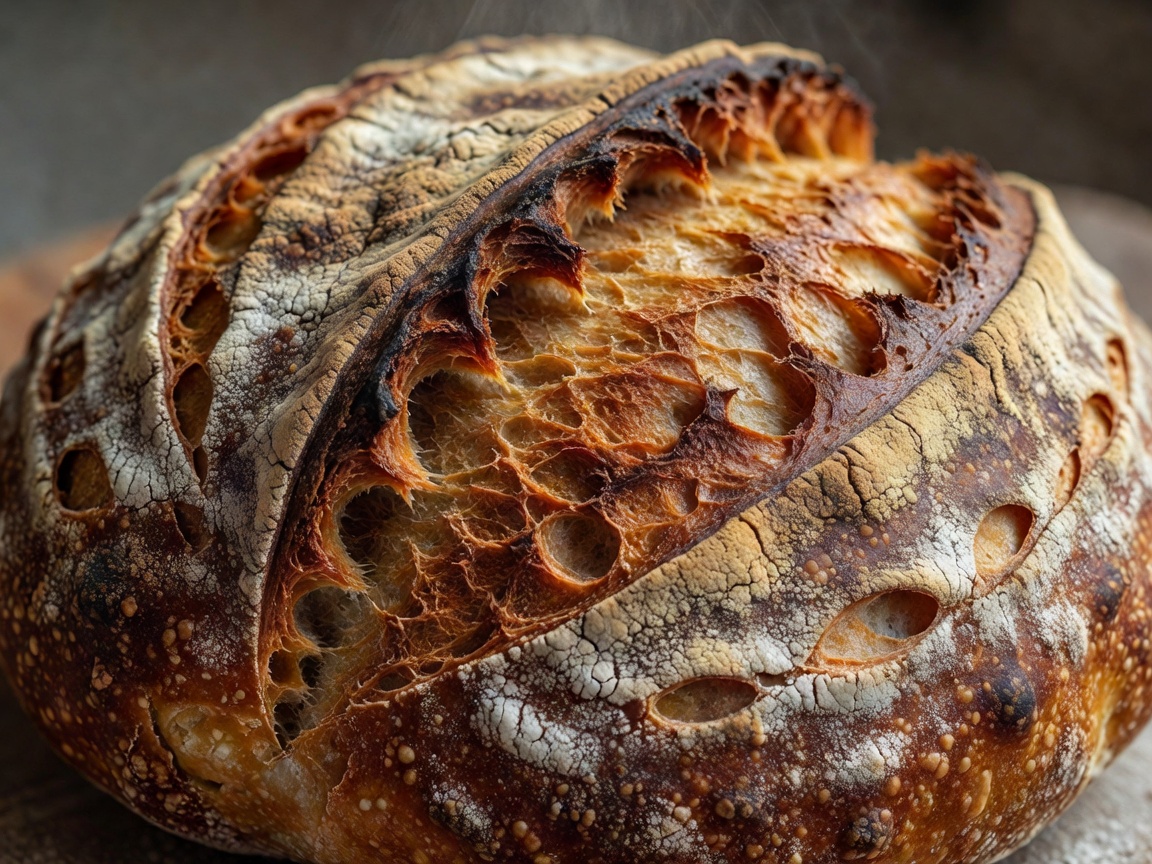
The Sourdough Renaissance
In recent years, the culinary world has witnessed a massive resurgence of interest in traditional, slow-fermentation baking. Artisan bakeries have moved away from commercial yeast and dough conditioners, returning to the ancient practice of using wild yeast starters (sourdough). This painstaking process, which can take up to 48 hours for a single loaf, results in bread with complex flavors, a distinct tang, and a highly digestible crumb.
Alongside rustic breads, the art of lamination—the process of folding butter into dough repeatedly to create flaky pastries like croissants—has reached unprecedented levels of precision. Today's artisan bakers view their craft through the lens of both art and chemistry, carefully monitoring ambient temperature, humidity, and flour hydration levels.
Evaluating the Bake
Not all bakeries are created equal. When entering an artisan establishment, there are visual cues that indicate a high level of mastery:
- The Crust: Look for a dark, deeply caramelized crust on sourdough loaves. A pale crust usually means the bread was underbaked and lacks flavor depth.
- The Crumb Structure: In a sliced loaf, look for an irregular, open crumb (the holes inside the bread). This indicates high hydration and proper fermentation.
- Pastry Flakiness: A top-tier croissant should shatter slightly when bitten, leaving visible, distinct honeycomb layers inside.
- The Flour Source: Elite bakeries often mill their own heritage grains in-house or source organic flours directly from regional mills.
Pros and Cons
Visiting an artisan bakery is often a highlight of any food trail, but it requires strategic timing.
Pros: The sensory experience of a bakery—the warmth, the smell of butter and toasted grain—is deeply comforting. The products offer a relatively inexpensive way to taste world-class culinary craftsmanship. Furthermore, high-quality, naturally leavened bread is often easier to digest than commercial alternatives.
Cons: The most significant drawback is scarcity. The best items sell out rapidly, often before 10:00 AM. Long queues are common, and the pace of service can be slow as staff carefully package delicate pastries. Additionally, true artisan bread stales faster than commercial bread because it lacks artificial preservatives, meaning it must be consumed quickly.
Strategic Bakery Visits
To maximize your bakery experience, arrive as early as possible. Do not be afraid to ask the staff what is freshest out of the oven. If you plan to carry bread with you on your travels, invest in a cloth bag or keep it in paper—wrapping crusty bread in plastic destroys the crust's texture within hours.
Conclusion
An artisan bakery is a testament to the magic that happens when simple ingredients—flour, water, salt, and time—are handled with profound respect and skill. It is an essential morning ritual for anyone exploring local culinary landscapes.