Exploring Craft Beverage Culture
The Liquid Counterpart to Local Food
A true local food trail is incomplete without exploring the regional craft beverage scene. Just as chefs are returning to localized, sustainable sourcing, so too are brewers, vintners, and roasters. This movement spans across microbreweries experimenting with wild, locally foraged yeast, to natural wine bars highlighting low-intervention viticulture, and specialty coffee shops prioritizing single-origin, ethically sourced beans.
Engaging with a region's craft beverages offers a unique lens into its agriculture and culture. Beverages reflect terroir—the environmental conditions, especially soil and climate, in which grapes or coffee beans are grown. By engaging in craft beverage tours, you are tasting the literal essence of the landscape.
Navigating the Landscape
The craft beverage world can sometimes feel steeped in intimidating jargon. Here is how to navigate it and find authentic experiences:
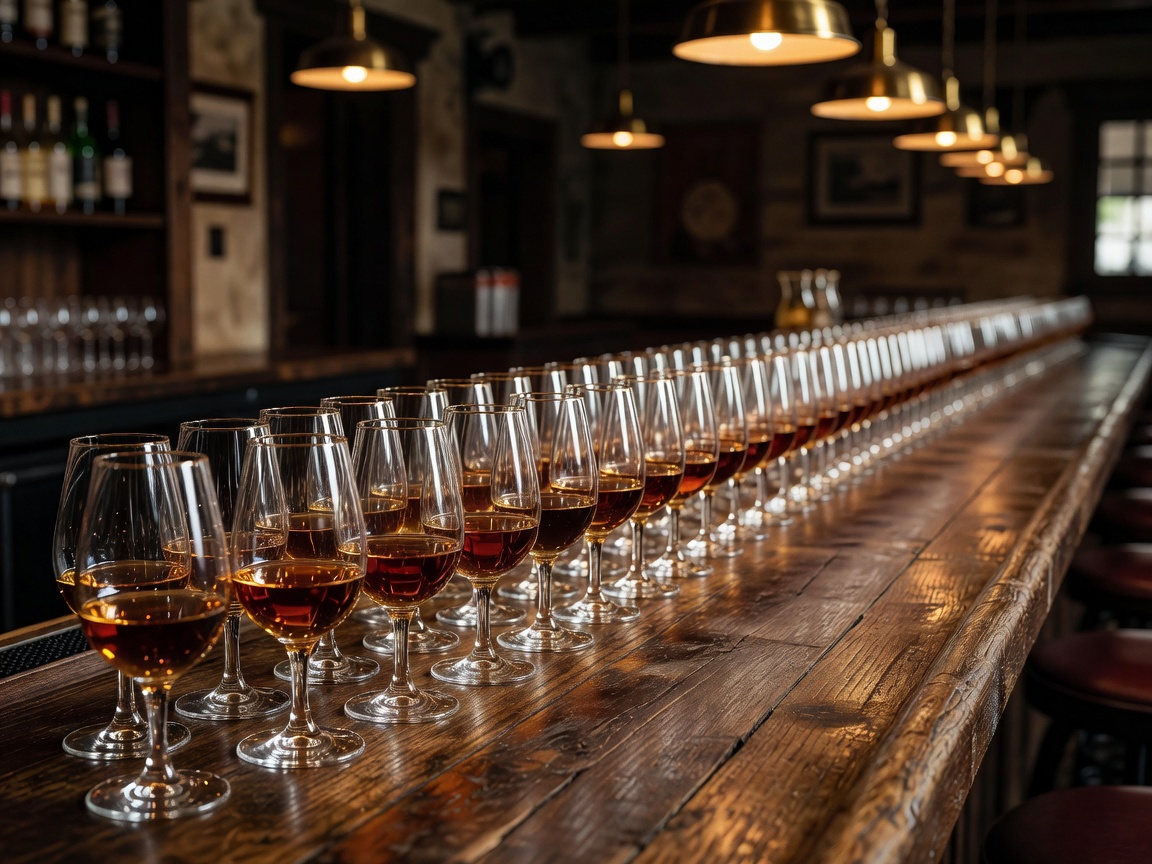
- Tasting Flights: Always opt for a flight (a selection of small pours) rather than a single full glass. This allows you to sample a wide spectrum of flavors and understand the maker's range.
- Talk to the Staff: In genuinely craft-focused establishments, the bartenders or baristas are highly trained educators. Ask them what they are excited about currently; they love sharing the stories behind the liquids.
- Transparency: Look for menus that specify the origin of the ingredients—whether it's the specific hop varietals in a pale ale, the farm that grew the coffee beans, or the specific vineyard block for a wine.
Pros and Cons
Diving into the craft beverage scene is deeply rewarding but requires moderation and pacing.
Pros: The community aspect is unparalleled. Taprooms and coffee counters are inherently social spaces designed to foster conversation. The products are crafted with immense passion, offering flavor profiles that mass-market brands simply cannot achieve. Additionally, these tours often provide direct support to small-scale farmers and independent business owners.
Cons: The most obvious drawback is the potential for palate fatigue; tasting too many complex beverages in succession can overwhelm the senses. Prices for craft beverages are notably higher than commercial alternatives, reflecting the expensive, labor-intensive production methods. Finally, for alcoholic tours, logistical planning for safe transportation is an absolute necessity.
The Coffee Roastery Experience
Don't limit beverage tours to alcohol. The "Third Wave" coffee movement emphasizes treating coffee as an artisanal foodstuff rather than a commodity. Visiting a local roastery allows you to witness the roasting process and participate in "cupping" sessions, where you can learn to identify tasting notes ranging from bright citrus to deep chocolate, dictated entirely by the bean's origin and the roaster's skill.
Conclusion
Whether you are sipping a naturally fermented cider, a complex pour-over coffee, or a hazy IPA, craft beverages are a vital expression of local identity. Approaching them with curiosity and a desire to learn elevates the experience from mere consumption to true culinary appreciation.