Farm-to-Table: The Hyperlocal Paradigm
The Philosophy of Sourcing
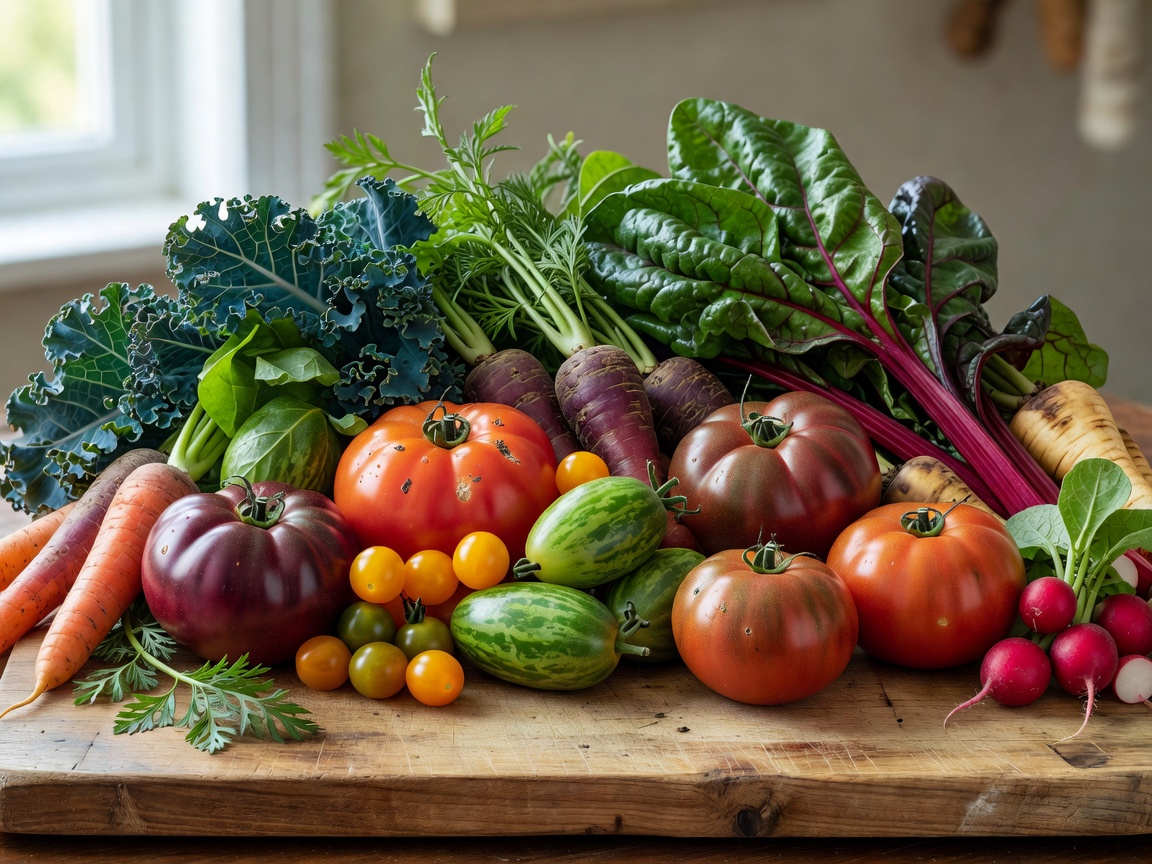
The farm-to-table movement is much more than a culinary buzzword; it represents a fundamental shift in how restaurants interact with their local ecosystems. At its core, this approach minimizes the distance between the point of harvest and the diner's plate. Chefs working within this paradigm act as curators of the region's agricultural output, building their menus around the peak ripeness of seasonal crops rather than forcing nature to accommodate a static menu.
This commitment involves intense, ongoing communication with local farmers, foragers, and artisans. It demands flexibility from the kitchen, as a late frost or an unexpectedly large harvest of summer squash can necessitate entirely new dishes with only hours of notice. The resulting meals provide a true "taste of place," reflecting the soil, climate, and traditions of the specific region.
Evaluating Authenticity
As the concept has gained popularity, greenwashing has unfortunately followed. To ensure you are experiencing a genuine farm-to-table establishment, consider these indicators:
- Named Farms: Authentic menus proudly list the names of their partner farms and producers next to the ingredients.
- Radical Seasonality: If a restaurant in a temperate climate is serving fresh asparagus in November or tomatoes in January, they are not strictly farm-to-table.
- Whole Animal Butchery: True sustainability often involves utilizing secondary cuts of meat rather than just serving endless quantities of prime steak or chicken breast.
- Preservation Techniques: Look for elements like pickling, fermenting, and curing. These are traditional methods chefs use to extend the local harvest into the winter months.
Pros and Cons
Dining at a farm-to-table restaurant offers distinct benefits but requires flexibility from the patron.
Pros: The nutritional value and flavor profiles of vegetables harvested within 24 hours of consumption are unmatched. Diners can take comfort in knowing their money supports sustainable agricultural practices and the local economy. The dishes are often highly creative, born from the constraints of seasonal availability.
Cons: Prices are generally higher, reflecting the true cost of small-scale, sustainable farming versus subsidized industrial agriculture. Portion sizes might be smaller, emphasizing quality over sheer volume. Furthermore, picky eaters might struggle if they arrive expecting standard, predictable comfort food, as the menu is dictated entirely by nature.
Understanding the Price Point
It is important to reset pricing expectations when dining hyperlocal. You are paying for ethical animal husbandry, fair wages for farmworkers, and the intense labor required to process whole, raw ingredients in-house. While the bill may be comparable to high-end fine dining, the setting is often more rustic and relaxed. The luxury lies in the purity of the ingredients rather than white tablecloths or silver service.
Conclusion
A farm-to-table experience connects diners directly to the agricultural heartbeat of a region. It is an educational and deeply satisfying way to eat, celebrating the ephemeral beauty of the seasons while supporting the dedicated individuals who steward the land.