Navigating the World of Street Food Markets
The Evolution of Street Food
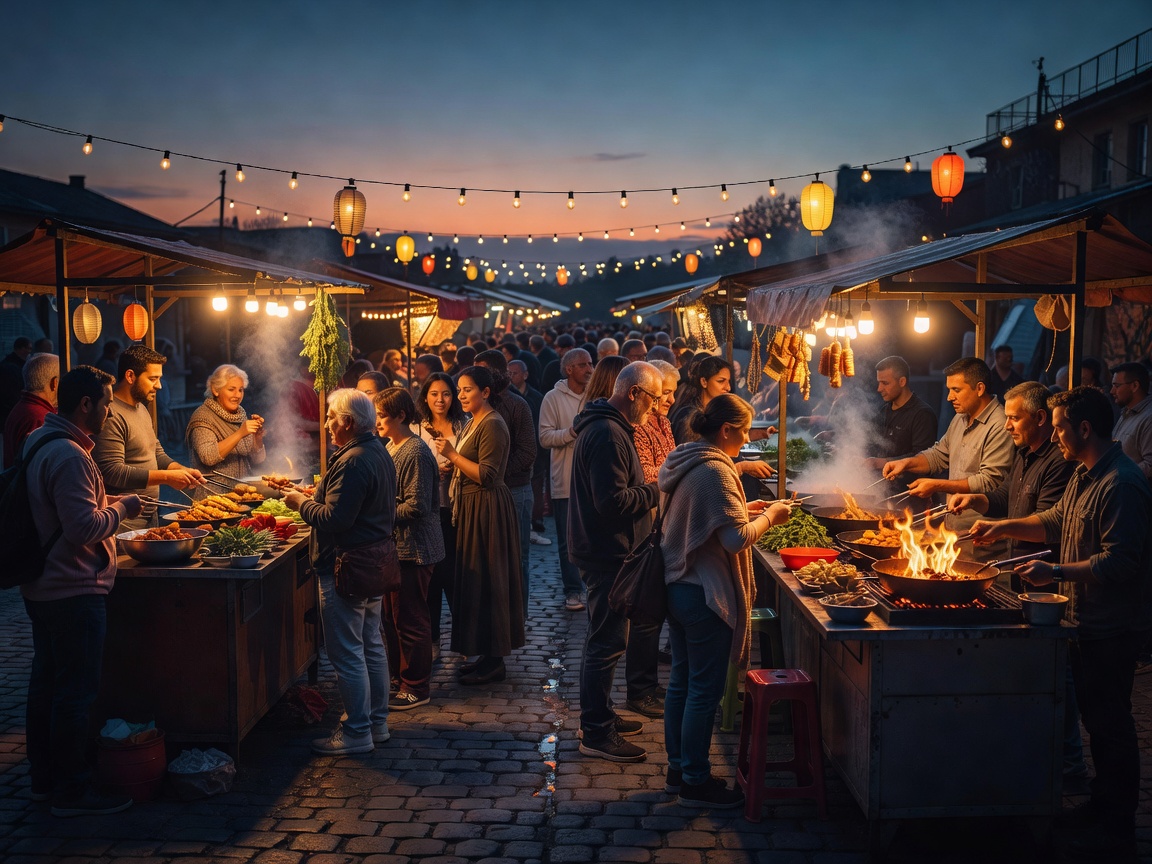
Street food has long been the backbone of urban culinary landscapes across the world. Historically viewed as quick sustenance for the working class, it has evolved into a highly respected culinary category. Today, street food markets serve as incubators for innovative chefs testing new concepts without the overhead of brick-and-mortar establishments. These markets offer a sensory overload: the hiss of woks, the scent of charcoal, and a kaleidoscope of colors from fresh spices and herbs.
When you step into a thriving street food market, you are participating in a communal dining experience. You will likely share tables with strangers, navigate dense crowds, and have the opportunity to interact directly with the people preparing your meal. This immediacy translates into a dining experience that is vibrant, unpretentious, and uniquely reflective of the city's diverse cultural makeup.
What to Look For
Finding the best stalls within a large market requires a discerning eye. Not all vendors prioritize quality, and tourist-centric markets can sometimes dilute traditional flavors. Here are the key indicators of a superior street food stall:
- The Line: A long queue of locals is the most reliable indicator of quality and high turnover (which guarantees freshness).
- Menu Focus: The best stalls typically do one or two things exceptionally well. Avoid menus that offer vast, disjointed arrays of dishes.
- Visible Preparation: Transparency is crucial. Stalls where you can watch the raw ingredients being transformed into your meal offer both entertainment and reassurance regarding food safety.
- Aroma: Let your nose guide you. Complex, layered aromas of toasted spices and rendered fats usually lead to excellent plates.
Pros and Cons
While street food markets offer unparalleled access to diverse flavors, they come with certain trade-offs that diners should anticipate.
Pros: The primary advantage is affordability; you can sample multiple dishes from different cuisines for the price of a single restaurant entree. The atmosphere is energetic and inherently social. Furthermore, these markets are excellent places to discover emerging culinary talent.
Cons: Comfort is often sacrificed. Seating can be scarce, requiring diners to eat while standing or perched on curbs. The experience is highly weather-dependent, and the crowds can be overwhelming for some. Additionally, restroom facilities are sometimes limited or lack ideal hygiene standards.
Pricing and Accessibility
One of the enduring appeals of street food is its democratic pricing model. While boutique, highly curated "food halls" in major metropolitan areas may charge premium prices, authentic street markets generally offer exceptional value. Prices typically range from a few coins for a quick snack to moderate sums for generous combination platters. Cash remains king in many traditional markets, though digital payments are increasingly common in modernized stalls.
Conclusion
Embracing a city's street food market is essential for any local food trail. It requires a willingness to abandon strict dining formalities in favor of bold flavors and immediate, tangible connections to the local culture. By following the crowds, prioritizing specialized vendors, and leaning into the chaotic charm, you can uncover some of the most memorable meals a city has to offer.